The Poeple behind the project, and why sender identity verification needs a passport.
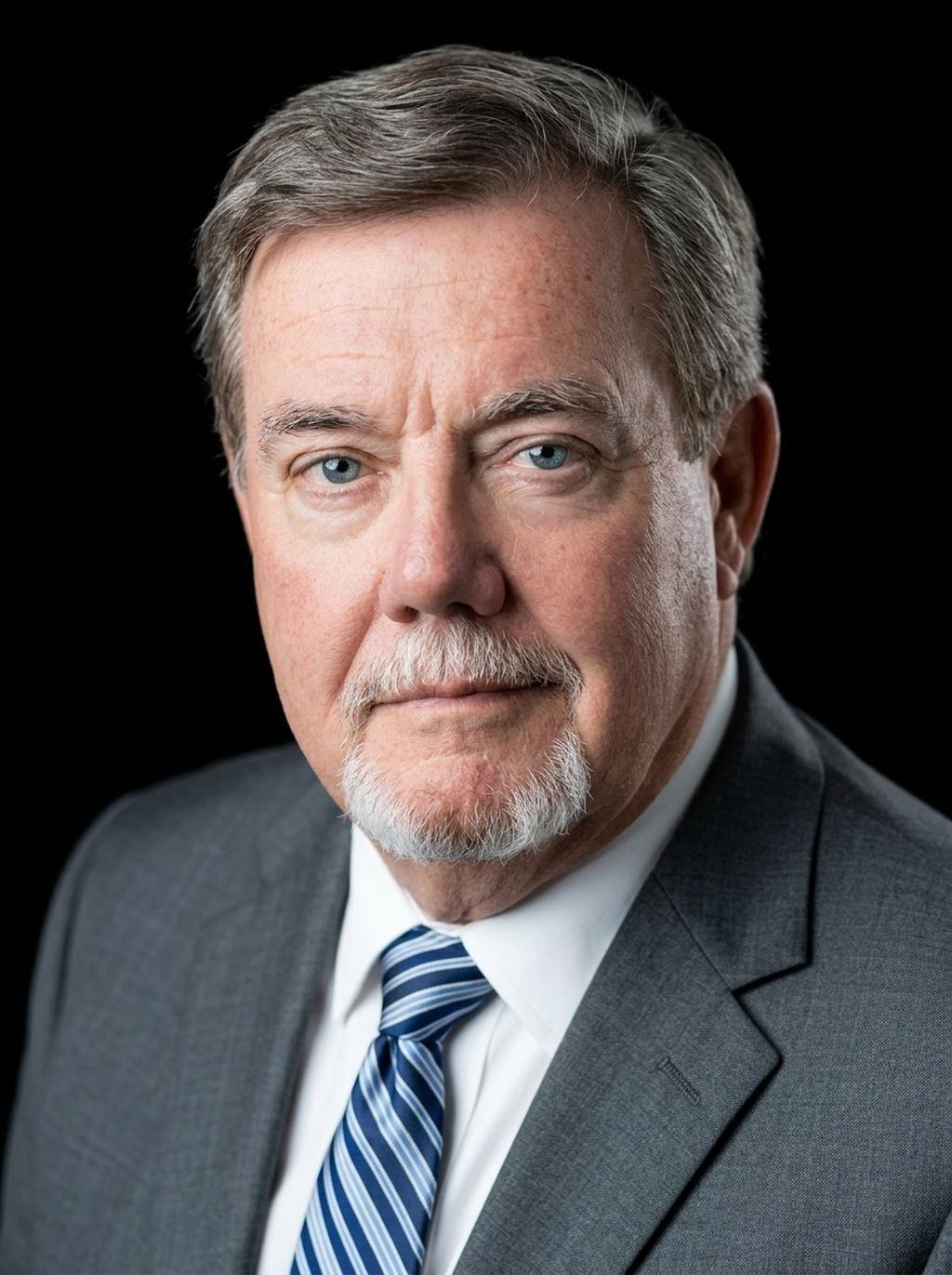
William Harrison
Founder, Sender Identity Verification Project
William Harrison has spent over four decades at the heart of the internet's infrastructure. He got his start in early computing history with Heath Kits on Bulletin Board Services in the US, The H89 kit assembly started his days of personal computing — an experience that shaped a career-long fascination with how technology connects people.
He went on to become a Security Subject Matter Expert, Lecturer, and Editor for Cisco Systems, where he helped shape network security practices used by internet service providers around the globe. Over the course of his career, William has traveled to 126 countries and partnered directly with hundreds of ISPs worldwide, building the kind of hands-on, cross-border relationships that forms his experience today.
Now semi-retired, William has turned his focus toward giving back — mentoring and supporting the global community of internet engineers who keep the world connected, and channeling decades of security expertise into initiatives like Sender Passport.
Outside of work, William has been married to his wife for 40 years. He's the proud father of two daughters and grandfather to eight grandchildren. He lives in Austin, Texas.
To All Americans tired of not knowing who's really on the other end of the line,
It's time to put trust back into the digital world.
Every day, millions of Americans pick up the phone, open an email, or read a text message and have to ask themselves a question that never should have been necessary: Is this really who it says it is?
Scammers impersonating banks, government agencies, even public figures, have turned that uncertainty into a weapon. In 2024 alone, internet crime cost Americans over $16 billion a year — much of it built on nothing more sophisticated than a fake identity behind a screen.
Senator John Thune authored the TRACED Act, the law that forced voice providers to adopt STIR/SHAKEN caller authentication and gave the FCC real enforcement teeth against spoofed calls.
Senator Ted Cruz, as a senior member of the Federal Commerce Committee that oversaw that effort, has continued pushing for stronger anti-spoofing and anti-fraud protections in the years since.
And behind the scenes, the Industry Traceback Group — the private-sector consortium tasked with tracking illegal robocalls back to their source — has shown that cross-provider cooperation, not isolated platform-by-platform fixes, is what actually shuts bad actors down.
That model worked for phone calls. It's time to extend it everywhere.
That's why we're building Sender Passport — a universal sender identity verification framework for digital communication broadly, not just the phone network. Verified sender credentials, ISP-level enforcement at the network edge (end user), and a shared cross-provider database modeled on the traceback and revocation approach that STIR/SHAKEN pioneered — so a bad actor gets cut off everywhere at once, not just on whichever platform happened to catch them first.
This is the next revolution of the internet. Congress and industry can take the already-proven standards and win the next generation. We just have to finish the job.
Here's how you can be part of it: visit the project site to see the full framework — the architecture, the enforcement model, and the problem it's built to solve.
Sign up for the newsletter. Become part of the discussion groups.
If you work in telecom, network engineering, PKI, regulatory policy, or you've simply had enough of digital impersonation costing people their money and their trust — reach out. We need engineers, advocates, and allies willing to help take this from framework to standard.
The infrastructure for trustworthy communication doesn't build itself. Let's build it together with military-grade standards.
With respect,
William Harrison
The Sender Passport Project